
A Simple Guide to Restorative Dentistry
Your teeth are essential for more than just chewing; they play a key role in your overall health. When cavities occur, they can lead to discomfort and further dental issues if not addressed. One of the most effective treatments for cavities is getting a filling. This guide will help you understand what happens during a filling procedure and why it’s important for maintaining oral health.
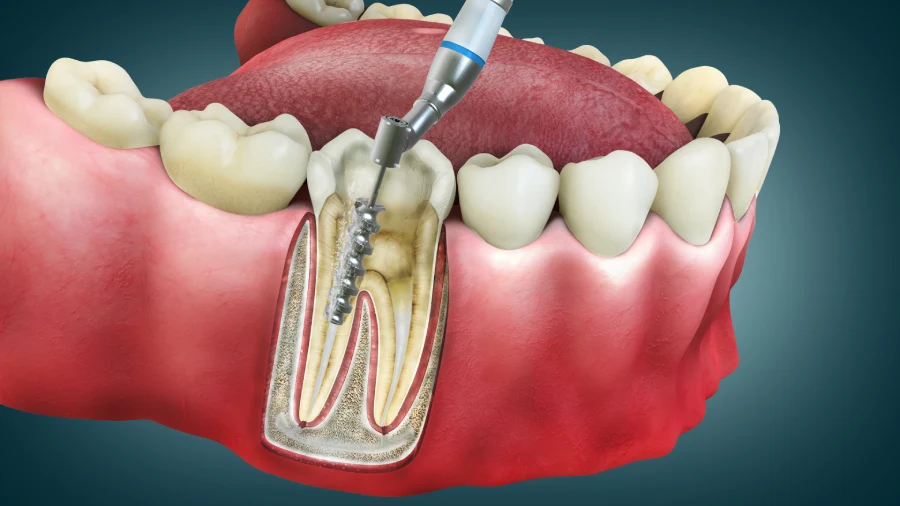
The Purpose of a Filling
Fillings are used to restore teeth damaged by decay back to their normal function and shape. A dental filling helps prevent further decay by closing off spaces where bacteria can enter. They can also help repair cracked or broken teeth that are worn down from misuse like tooth grinding.
Materials Used in Fillings
Dental fillings come in various materials, each with its benefits. Common materials include gold, amalgam (silver), composite resins, and porcelain. Composite resins are popular because they can be matched to the color of your natural teeth, offering an aesthetic advantage. Each material has different durability levels and costs, so discussing options with your dentist is crucial.
Steps Involved in the Procedure
The process begins with your dentist numbing the area around the affected tooth. This ensures comfort throughout the procedure. Once numb, the decayed part of the tooth is removed, often using a drill. After removing the decay, the space is cleaned to remove bacteria and debris. If the decay is near the root, your dentist may first place a liner made of glass ionomer or other material. After this, the filling material is applied layer by layer, with each being hardened using a special light.
Benefits of Getting a Filling
Getting a filling offers several advantages:
- Restores function: Allows you to chew properly again
- Prevents further decay: Stops bacteria from entering cracks
- Aesthetically pleasing: Especially with tooth-colored fillings
Post-Procedure Care Tips
After receiving a filling, it’s vital to maintain proper dental hygiene. Brush twice daily and floss regularly to keep your teeth healthy. Avoid extremely hard foods that could damage your new filling. If you experience sensitivity or discomfort after the procedure, consider using toothpaste designed for sensitive teeth until it subsides.
Cost Considerations and Insurance
The cost of fillings can vary depending on the material used and whether additional procedures are necessary. Insurance typically covers a portion of the cost, especially if it’s considered medically necessary. It’s best to check with your insurance provider for specific coverage details before the procedure. Discussing these factors with your dentist beforehand can help avoid unexpected expenses.

Conclusion: Maintain Oral Health With Regular Check-Ups
Keeping up with regular dental visits is crucial for preventing cavities and ensuring the longevity of your fillings. Our team at GoldDental is dedicated to providing top-notch services tailored to your needs. Contact us at (686) 207-1001 to schedule an appointment today. Located in Petersburg, VA, we’re ready to assist you in achieving optimal oral health.